

Proper deck maintenance is crucial for keeping your outdoor living space safe, beautiful, and durable. With Cottleville’s extreme seasonal shifts—scorching summers and freezing winters—your deck faces a variety of stressors. Whether your deck is made from wood, composite, or steel framing, regular care is necessary to preserve its aesthetic appeal and structural integrity.
This checklist will guide you through the maintenance steps required to ensure your deck lasts for years.
Why Should You Maintain Your Deck?
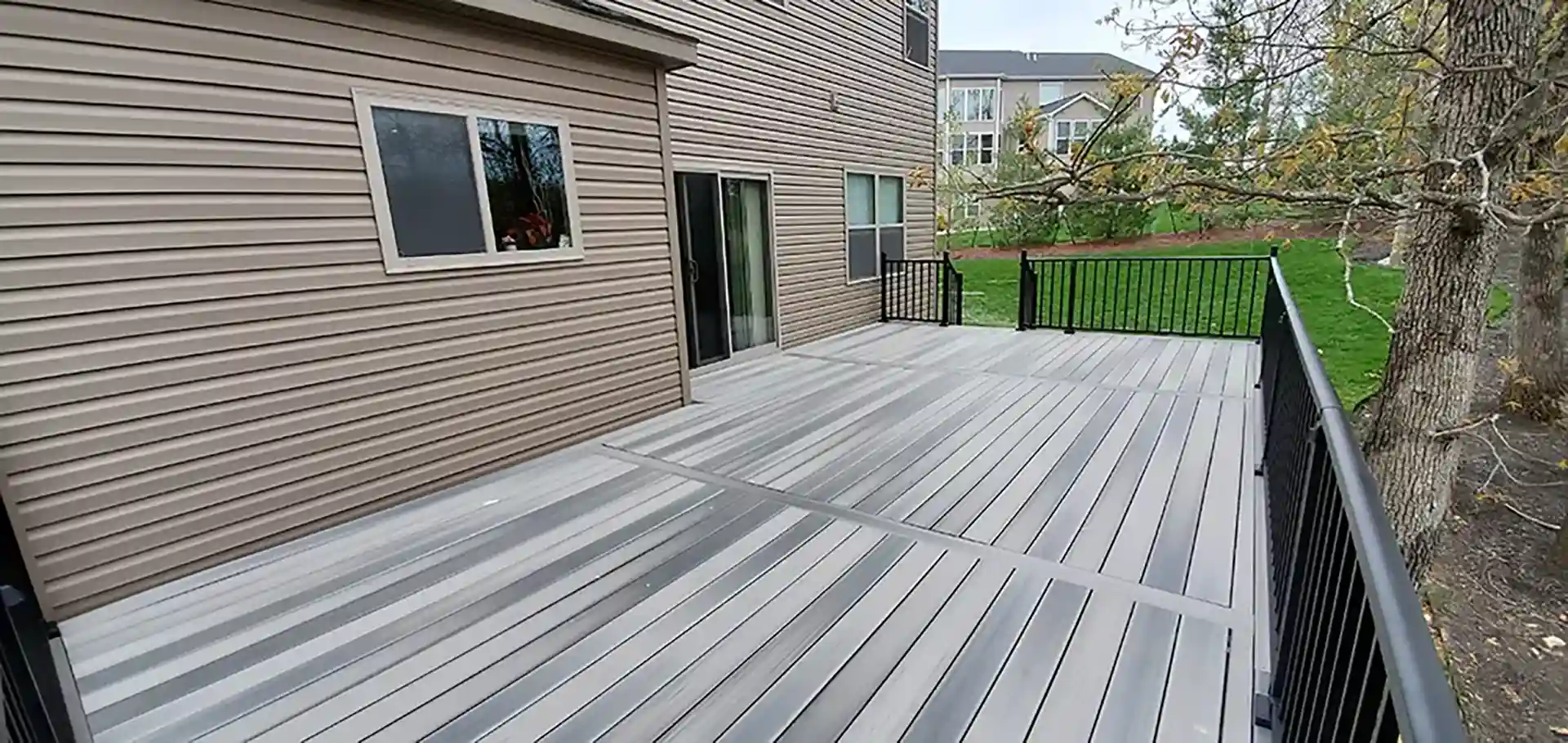
Maintaining your deck goes beyond aesthetics; it helps protect your investment. Neglecting routine care can lead to moisture, mold growth, and structural weaknesses. In Cottleville, the fluctuating weather conditions can exacerbate these problems. Regular deck maintenance ensures your deck remains safe, functional, and beautiful.
Key Reasons to Maintain Your Deck:
- Moisture Protection: High humidity and precipitation in Cottleville can damage wood and composite materials, leading to rot and mold. Regular sealing prevents water damage and preserves the material.
- Structural Integrity: Extreme temperature shifts and natural settling can loosen fasteners and warp boards. Annual inspections and tightening or replacing fasteners can help prevent major structural problems.
- Longevity and Functionality: Regular maintenance helps your deck handle foot traffic, dirt buildup, and UV exposure, keeping it functional and looking great for years.
Low-Maintenance Decks
If you prefer a deck with minimal upkeep, low-maintenance materials like composite decking and steel deck framing can save you time and effort. These materials are designed to withstand wear and tear without constant care.
- Composite Decking: Brands like Deckorators, TimberTech, Evalast and Fiberon offer low-maintenance options that resist mold, rot, and fading. While composite decks don’t require as much maintenance as wood, they still need regular cleaning to prevent dirt buildup and maintain their appearance.
- Steel Framing: Steel framing offers unparalleled stability and durability. Unlike traditional wood framing, steel won’t warp or rot, making it a solid, long-term solution for homeowners needing less maintenance. Steel framing allows you to focus on the surface materials while the frame stays strong for decades.
- IPE Decking: IPE wood is a naturally durable hardwood that resists moisture, decay, and insects. While it requires less maintenance than softwoods, IPE decks still need periodic oiling to maintain their rich color and prevent cracking over time.
Regular Deck Maintenance vs. Annual Deck Maintenance
Deck maintenance can be divided into regular upkeep and more intensive annual tasks. Both are essential to keeping your deck in prime condition.
Regular Deck Maintenance (Every 1-2 Months)
- Sweeping: Sweep off dirt, leaves, and debris to avoid moisture retention that can lead to mold or rot.
- Rinsing: Use a garden hose or low-pressure sprayer to remove surface dirt, avoiding harsh scrubbing that could damage the deck.
- Spot Cleaning: Immediately clean any spills, especially oil, grease, or food stains, to prevent them from seeping into the material.
Annual Deck Maintenance:
- Comprehensive Inspections: Look for cracks, loose boards, rusted fasteners, or damaged railings. Performing an annual inspection helps catch issues early before they become significant problems.
- Deep Cleaning: Use a specialized deck cleaner to remove dirt, grime, and algae. To prevent damage, be sure to use the right cleaner for your deck material.
- Resealing and Staining: Wood decks, especially cedar and pine, should be resealed every 1-2 years to protect them from UV rays and moisture. IPE decks benefit from oiling every 12–24 months to preserve their rich brown color.
- Oiling IPE Decks: IPE decks should be oiled every 12–24 months to maintain their color and prevent splitting.
Essential Tools for Deck Maintenance
Having the right tools is essential for deck upkeep. Here’s what you’ll need to perform the basic maintenance tasks:
| Tool/Material | Purpose | Best Use |
| Soft-Bristle Brush | Gently removes dirt without damaging surfaces | Sweep debris and dust from the deck’s surface to prevent moisture buildup. |
| Garden Hose with Nozzle | Removes surface dirt | Use to rinse off dirt, dust, and pollen, keeping the surface clean. |
| Low-Pressure Power Washer | Safely removes stubborn grime | Ideal for composite and wood surfaces—use moderate pressure to avoid damage. |
| Composite Cleaner | Removes stains safely | Clean composite decks without damaging the surface. |
| Plastic Putty Knife | Removes debris between boards | Clear stuck debris between boards without causing any damage. |
| Wood Sealant (For Wood Decks Only) | Protects from water and UV damage | Seal wood decks every 12-24 months to protect them from moisture and UV damage. |
Deck Maintenance Tips
- Sweep Regularly: Sweep away debris to prevent moisture buildup and reduce the risk of mold growth.
- Proper Sealing: Sealing your wood deck to prevent water and UV damage. Composite decks need less care but should still be cleaned periodically to maintain appearance.
- Avoid Chlorine-Based Cleaners: Chlorine bleach can degrade wood fibers and discolor wood and composite decks. Stick to milder, pH-neutral cleaners.
- Inspect for Structural Issues: Tighten fasteners and check for any loose or warped boards to avoid safety hazards.
Seasonal Deck Care
Deck care needs to be adjusted according to the seasons in Cottleville’s fluctuating climate. Here’s how to maintain your deck through each season:
Spring and Summer Care
- Inspect and Clean: As the weather warms, clean your deck to remove pollen, mildew, and debris. Check for any cracks, loose fasteners, or damage that might have occurred over the winter months.
- Seal Wood Decks: Wood decks need protection from the sun and moisture. Apply a new coat of sealant to prevent cracking and moisture damage during the summer heat.
Fall Care
- Clear Leaves and Debris: Remove fallen leaves and debris to prevent moisture from getting trapped, which could cause mold and rot over the winter.
- Deep Clean: Use a low-pressure washer to clean your deck. Remove any dirt or grime that’s built up over the summer and ensure there’s no moisture left to cause damage when the temperature drops.
- Reseal Wood Decks: Before winter sets in, apply a fresh coat of stain or sealant on wood decks to protect them from moisture and freezing temperatures.
Winter Care
- Remove Snow and Ice: After storms, use a plastic shovel or broom to clear snow off the deck. Avoid metal tools, as they can scratch the surface. Use a non-corrosive ice melt that’s safe for your deck if needed.
- Prevent Ice Dams: Keep the deck free of snow and ice buildup to prevent water from seeping into cracks and causing damage.
Stain, Oil, Rinse, etc.
To maintain your deck’s appearance and durability, periodic treatments are necessary.
- Staining: To protect wood decks like cedar or pressure-treated pine from UV damage and moisture, apply a high-quality penetrating stain.
- Oiling IPE Decks: Apply a hardwood-specific oil to IPE decking to maintain its color and prevent cracking.
- Rinsing: Regularly rinse composite decks to remove dust, dirt, and pollutants.
Do’s and Don’ts
Do’s:
- Sweep and Rinse Every 1-2 Weeks: Removing debris prevents moisture accumulation and preserves the deck’s condition.
- Inspect for Damage: Check for cracks, splinters, and loose fasteners, especially after extreme weather events.
- Use pH-Neutral Cleaners: Always use a pH-neutral cleaner to avoid damage to composite and wood decks.
Don’ts:
- Avoid Using Chlorine Bleach: Chlorine bleach is too harsh and can degrade both wood and composite materials over time.
- Don’t Pressure Wash with High PSI: Excessive pressure can damage deck surfaces, especially wood and composite materials.
- Don’t Skip Mold and Mildew Removal: Address any signs of mold or mildew immediately to prevent long-term damage.
Wood Deck Maintenance (Cedar, IPE, etc.)
Wood decks require specific maintenance depending on the type of wood used. Here’s a step-by-step guide to caring for your wood deck:
- Clear the Deck: Remove all furniture and debris before cleaning.
- Inspect for Damage: Check for cracks, splinters, or loose boards.
- Clean the Deck: Use a wood-specific cleaner to remove dirt and mold.
- Rinse Thoroughly: After cleaning, rinse the deck thoroughly to remove any leftover cleaner.
- Apply Stain or Oil: Depending on the wood type, apply either a stain or oil.
- Reapply Every 12-24 Months: Regularly reseal, stain, or oil your wood deck to preserve its condition.
Composite Deck Maintenance (Trex, TimberTech, Fiberon)
Composite decks require less upkeep but still need regular care:
- Sweep Regularly: Keep the surface clear of dirt and debris.
- Rinse After Heavy Seasons: Use a hose or low-pressure sprayer to clean off dust and dirt.
- Clean Stubborn Stains: Use a mild composite-safe cleaner for stains.
- Check Fasteners: Make sure all fasteners are secure to prevent shifting.
DIY Deck Inspections: A Simple Way to Stay Ahead
Regular DIY inspections help catch problems early. Look out for these key components:
- Boards: Inspect for cracks, splinters, or rot.
- Fasteners: Look for rust or looseness.
- Railings and Stairs: Ensure they are secure and stable.
- Structural Supports: Check for sagging or signs of damage.
FAQs
What is routine deck maintenance?
Routine deck maintenance includes sweeping, rinsing, inspecting for damage, and treating stains promptly to maintain your deck’s safety and appearance.
What is the best way to preserve a deck?
Preserve your deck by regularly cleaning it, sealing wood decks, and inspecting it for damage during extreme weather.
How often should I reseal my deck?
Wood decks should be resealed every 12–24 months, depending on weather and foot traffic. Composite decks generally do not need resealing.
What is the best treatment for a wooden deck?
Use a high-quality, penetrating stain or oil to protect wood decks from moisture and UV damage. IPE decks require oil treatments for maximum protection.
Ready to Protect Your Deck?
Now that you have the tools and knowledge to maintain your deck, it’s time to take the next step. Whether you need a professional inspection or assistance with deck care, our team is here to help. Don’t wait for minor issues to turn into costly repairs—schedule your free consultation today and keep your deck in top shape all year.


